/* Google domain verification */ /* Pinterest domain verification */ /* Facebook domain verification */

Your browser is not fully supported. Please upgrade your browser.

Skip to main content
Care

What is pilling?

Pilling (sometimes referred to as bobbling) is the formation of fuzzy balls on the surface of wool clothing, and often results in an unsightly or worn out appearance.

Pilling is caused by rubbing during wear and, although it can occur in any parts of the sweater, the most common areas are around the elbows, armpits, sleeves, belly and the sides of the sweater where, during wear, the arms of the garment are constantly coming into contact with the body of the sweater.

Life's too short for unwanted balls and pilling is a very complex phenomenon. Pilling depends on many factors including the action of the wearer - there is a greater chance of pilling generally if the wearer is more active, or whether the garment during wear constantly comes into contact with other surfaces that tend to cause abrasion, such as sitting for long periods at a desk.
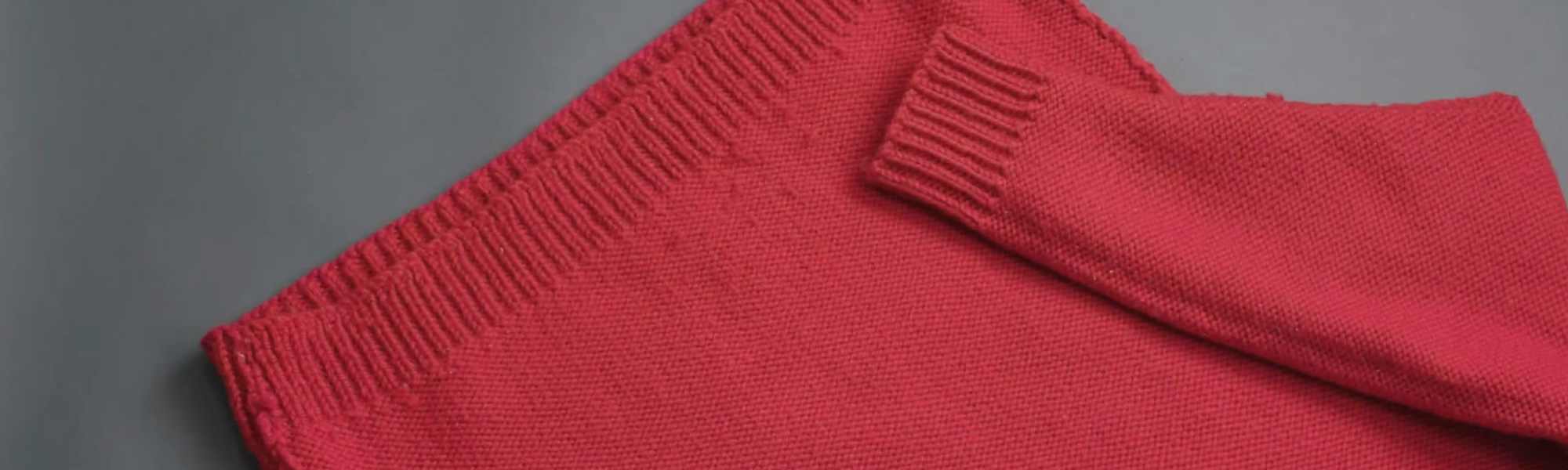
How to remove pills from your garment

Because pilling is so complex, nobody can guarantee that it won’t occur, but there are a number of ways to prevent pilling. There are also methods to remove pills if they have been formed.

How to prevent pilling when wearing wool

  1. Turn your wool clothes inside-out before washing
  2. Avoid using a fabric softener
  3. Try to minimise abrasion when wearing wool clothing


How to avoid pilling when designing with wool

  1. Use longer fibres
  2. Use the highest twist factor you can handle
  3. Use fabrics with a higher cover factor


How to remove pilling in 3 easy ways

  1. If not too many pills have been formed then they can easily be removed by hand. This should be done routinely after drying, or just prior to ironing.
  2. A comb can be used to remove pills, but this should be done very gently and carefully.
  3. Small battery operated pill and lint removal devices known as either “de-pillers” or “fabric shavers” are low cost and very effective at removing pills, giving your clothing an as-new appearance again.
Read more
Wool care

How to wash a wool sweater

You’ve bought it, bagged it, and worn it: now it’s time to wash your favourite wool sweater, but you think you don't know how. Never fear, washing wool has never been as easy if you follow our go-to guide to washing wool.
Wool care

How to wash wool

Washing wool is easy. Wool is naturally stain resistant, odour resistant and also crease resistant, so actually requires less washing. This means that caring for wool is both easy and gentle on the planet. But when it is time to wash wool clothes, you can either wash them in a washing machine, or hand wash with ease.
Wool care

Washing wool pants

Merino wool is an excellent fibre for producing clothes, as it not only offers breathability, but has natural stretch and recovery, great drape and outstanding wear performance. Despite being a resilient fibre, a little bit of TLC will ensure your wool clothes will last for a very long time.
Wool care

How to wash and dry wool blankets

Wool blankets are among the most durable and desirable of all bedding. They're soft and warm, and are very difficult to stain or damage. Wool blankets are also very easy to care for and you don’t need to wash them often, in fact, it’s best to wash them sparingly and some guidelines recommend washing wool blankets once every three months.
Wool care

How to repair wool

The art of repairing clothes may have declined with the rise of fast fashion, but here at The Woolmark Company we believe you should love your clothes for a lifetime. Not only will repairing your clothes allow you to get more use out of your favourite wool socks and sweaters, it also means less waste in landfill. Follow these simple steps to repair your wool garments.