If your favourite wool product is starting to look a bit worse for wear and it’s time to put it in the wash, there’s one golden rule to follow: always check your garment’s care labels and instructions to help preserve the life-span of your product.
You’ve bought it, bagged it, worn it and now it’s time to wash it. Whilst many people assume wool must be hand-washed or dry-cleaned, many piece of wool clothing can actually be put in the washing machine and even in the tumble dryer too. Here, we explain washing instructions and what laundry care claims mean.
40°C (or 30°C) very mild wash
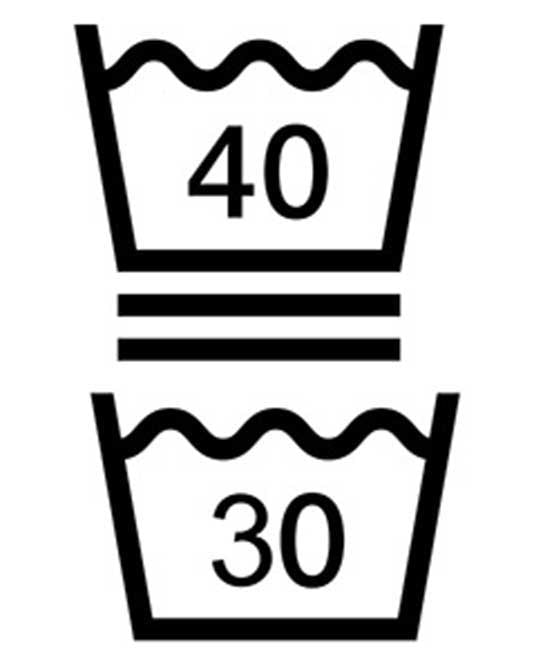
Machine-washable wool. This washing cycle ensures a much reduced mechanical treatment. Reduce the quantity of laundry in the washing machine. The drum should be not more than one-third full. It’s best to use a cycle for wool or delicates for these garments.
Hand wash
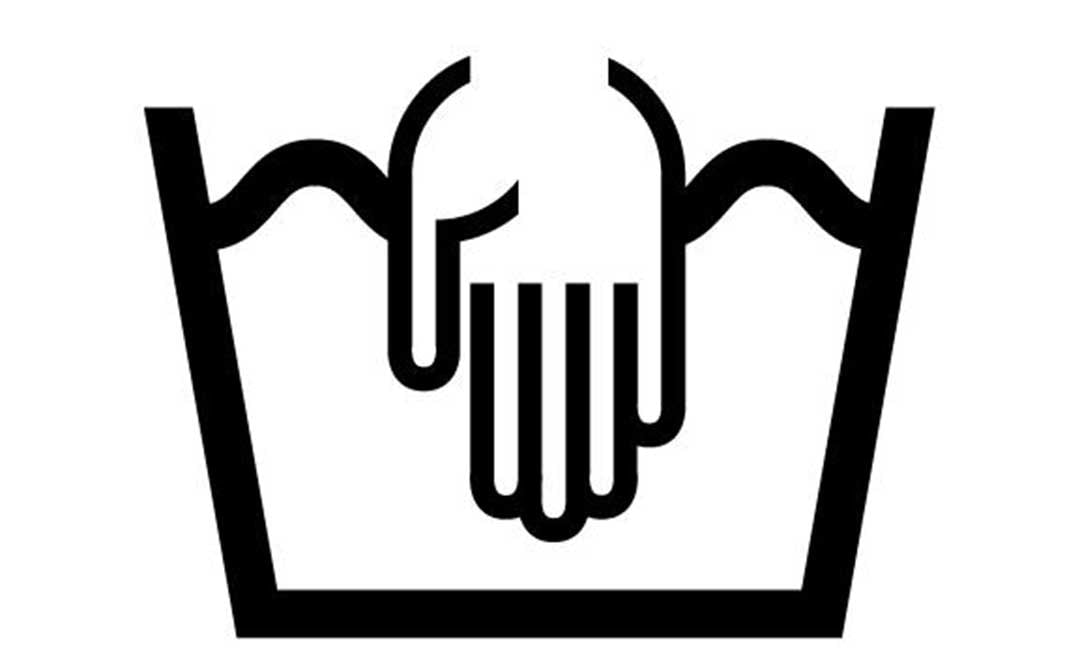
Hand wash at a water temperature between 30°C and a maximum of 40°C, depending on the particular article. First dissolve a fine wool detergent in plenty of water. Allow the clothes to float in the solution and agitate carefully. Do not rub, pull and wring out. Then rinse the clothing well and press the superfluous water out carefully before pulling the item into shape. Treat coloured and sensitive pieces rapidly and do not leave lying in the wet state.
Do not wash

Articles marked with a Do Not Wash claim must not be washed. They may be sensitive to any kind of wet treatment or be unsuitable for washing in a domestic washing machine because of their size.
Do not bleach
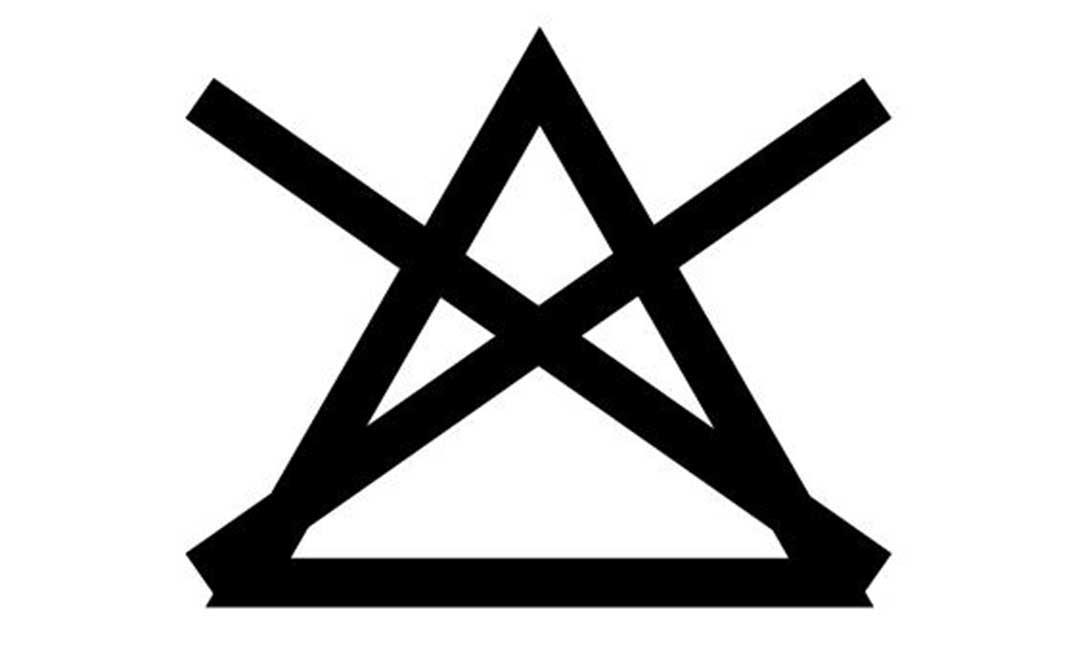
The triangle with a diagonal cross (St. Andrews Cross) indicates that bleaching is not allowed. Use only bleach-free detergent.
Do not tumble dry

Clothes with the claim Do Not Tumble Dry must not be places in a clothes dryer. Doing so may cause shrinkage.
Mild drying process
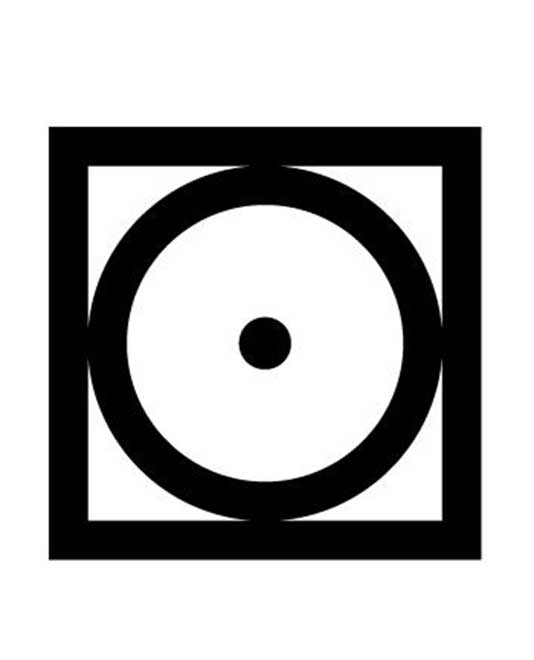
Caution is appropriate when tumble drying. Select a mild process with reduced thermal action temperature and short duration of treatment.
Iron at moderate temperature
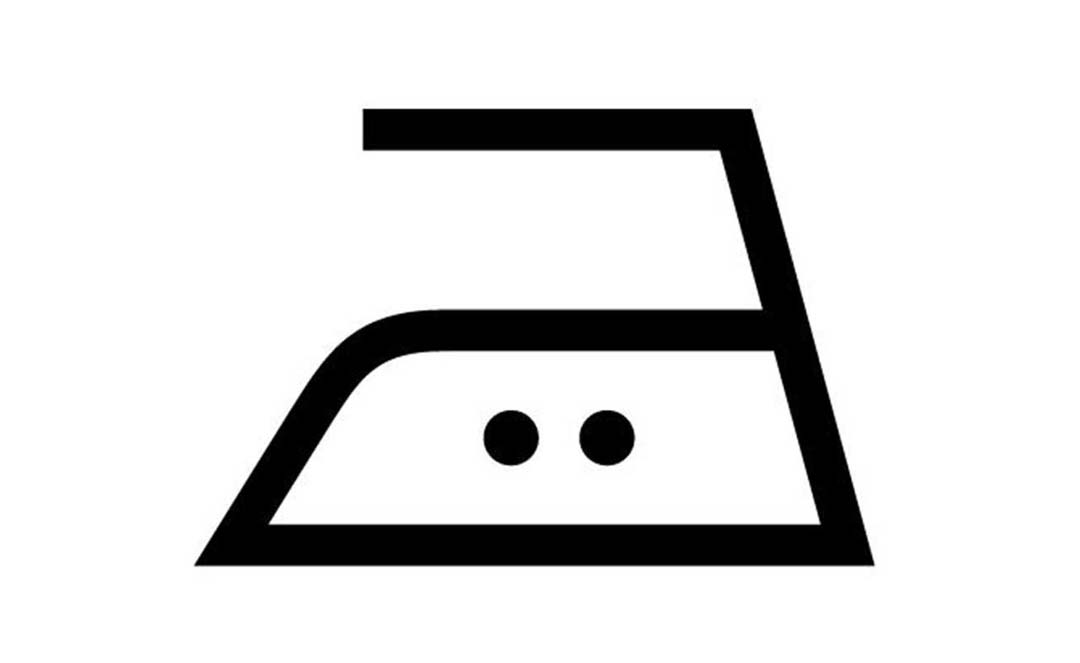
Iron at maximum sole plate temperature of 150°C. Corresponding to the “wool/silk/polyester/viscose” setting: iron under a moderately moist intermediate cloth. A steam iron can be used. Avoid heavy pressure.
Professional dry-cleaning
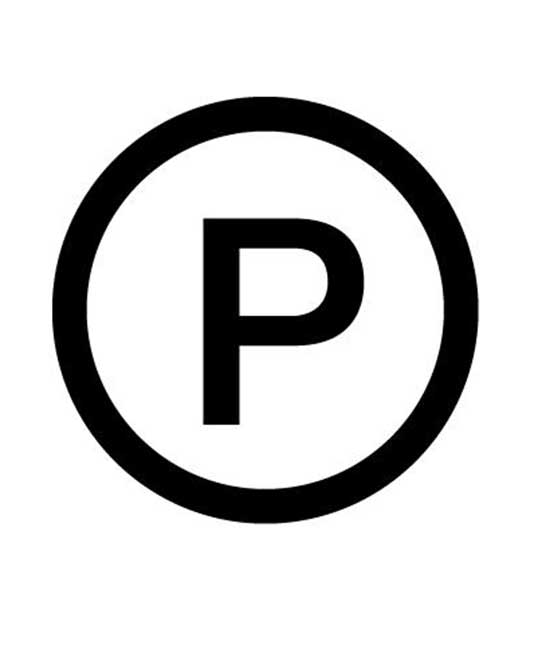
Professional dry-cleaning in perchloroethylene, hydrocarbons (heavy benzines).
Normal cleaning process with no restrictions. Commercial stain removers on a solvent base may be used with some restrictions. A trial on a concealed part of the article is advisable beforehand.
These care symbols are owned by GINETEX and used under license.

MORE CARE TIPS
Wool care
What is pilling?
Pilling (sometimes referred to as bobbling) is the formation of fuzzy balls on the surface of wool clothing, and often results in an unsightly or worn out appearance.
Wool care
Caring for wool
Irrespective of which method you use to wash wool clothes, it is recommended that garments are turned inside out before washing wool. This will prolong the item’s ‘as new’ look and feel.
Wool care
How to wash wool
Washing wool is easy. Wool is naturally stain resistant, odour resistant and also crease resistant, so actually requires less washing. This means that caring for wool is both easy and gentle on the planet. But when it is time to wash wool clothes, you can either wash them in a washing machine, or hand wash with ease.
Wool care
Removing stains from wool
We all have accidents, and sometimes, this involves spilling wine or coffee or butter on your favourite item of clothing. So how do you get rid of stains from clothes? Follow our step-by-step guide to remove stains from your favourite wool clothing.
Wool care
How to wash and dry wool blankets
Wool blankets are among the most durable and desirable of all bedding. They're soft and warm, and are very difficult to stain or damage. Wool blankets are also very easy to care for and you don’t need to wash them often, in fact, it’s best to wash them sparingly and some guidelines recommend washing wool blankets once every three months.
Wool care
How to repair wool
The art of repairing clothes may have declined with the rise of fast fashion, but here at The Woolmark Company we believe you should love your clothes for a lifetime. Not only will repairing your clothes allow you to get more use out of your favourite wool socks and sweaters, it also means less waste in landfill. Follow these simple steps to repair your wool garments.
Wool care
Washing wool pants
Merino wool is an excellent fibre for producing clothes, as it not only offers breathability, but has natural stretch and recovery, great drape and outstanding wear performance. Despite being a resilient fibre, a little bit of TLC will ensure your wool clothes will last for a very long time.
Wool care
Tumble drying wool
Good news! Certain wool garments can safely be dried in a tumble dryer without the item shrinking. Woolmark-approved garments that have a care claim that states ‘tumble dry’ can be tumble dried on a low heat setting or a setting for wool or delicates. It is advised to use a tumble dryer that has been approved by The Woolmark Company.
Wool care
How do I dry wool?
Drying your favourite wool sweater - or any other wool garment - is easy. Follow these simple steps and your clothes will look, feel and smell as good as new in no time.
Wool care
How to iron wool
Despite being crease resistant, some Merino wool garments may require a light iron, but only if the garment’s care claim advises so. Whether your Merino wool garment requires ironing after washing and drying will depend on the number of creases present and the overall appearance of the garment.
Wool care
How to wash a wool sweater
You’ve bought it, bagged it, and worn it: now it’s time to wash your favourite wool sweater, but you think you don't know how. Never fear, washing wool has never been as easy if you follow our go-to guide to washing wool.
Wool care
Washing Merino wool socks
Unlike other fibres, wool is odour resistant, so you wool socks will smell better than socks made from other fibres, meaning you can wear them multiple times before you start to get odd looks from people.
Wool care
How to dry a wool sweater
Drying your Merino wool sweater is just as important as washing it. A certain level of care must be taken when drying wool clothes, to ensure they retain their as-new look and feel.
After washing your wool sweater, it is recommended the sweater is carefully dried flat, unless your sweater’s care claim states it can be tumble dried.
Wool care
Can you dry clean Merino wool?
With so many ways to wash wool clothing, it’s always best to check the care claim or sew-in label on your favourite item of clothing. Whilst regular dry cleaning can sometimes be costly, certain garments advise to Dry Clean Only.
Wool care
Best detergent to use when washing wool
It’s time to wash your favourite item of Merino wool clothing. But which wool wash detergent should you use when machine washing or hand washing wool? A neutral, mild wool detergent will help to prolong the lifespan of your favourite wool sweater or any other piece of clothing.
Wool care
How to store wool clothes
The daily struggle of finding something to wear hidden amongst a year’s worth of garments is an unnecessary battle. But with a little forethought and some planning, your wardrobe can be transformed from garment jungle to serene oasis where everything has its place.